Car Reviews
Evaluating Electric, Hybrid, and Gasoline Powertrains
By Jordan Mitchell · 7 min read
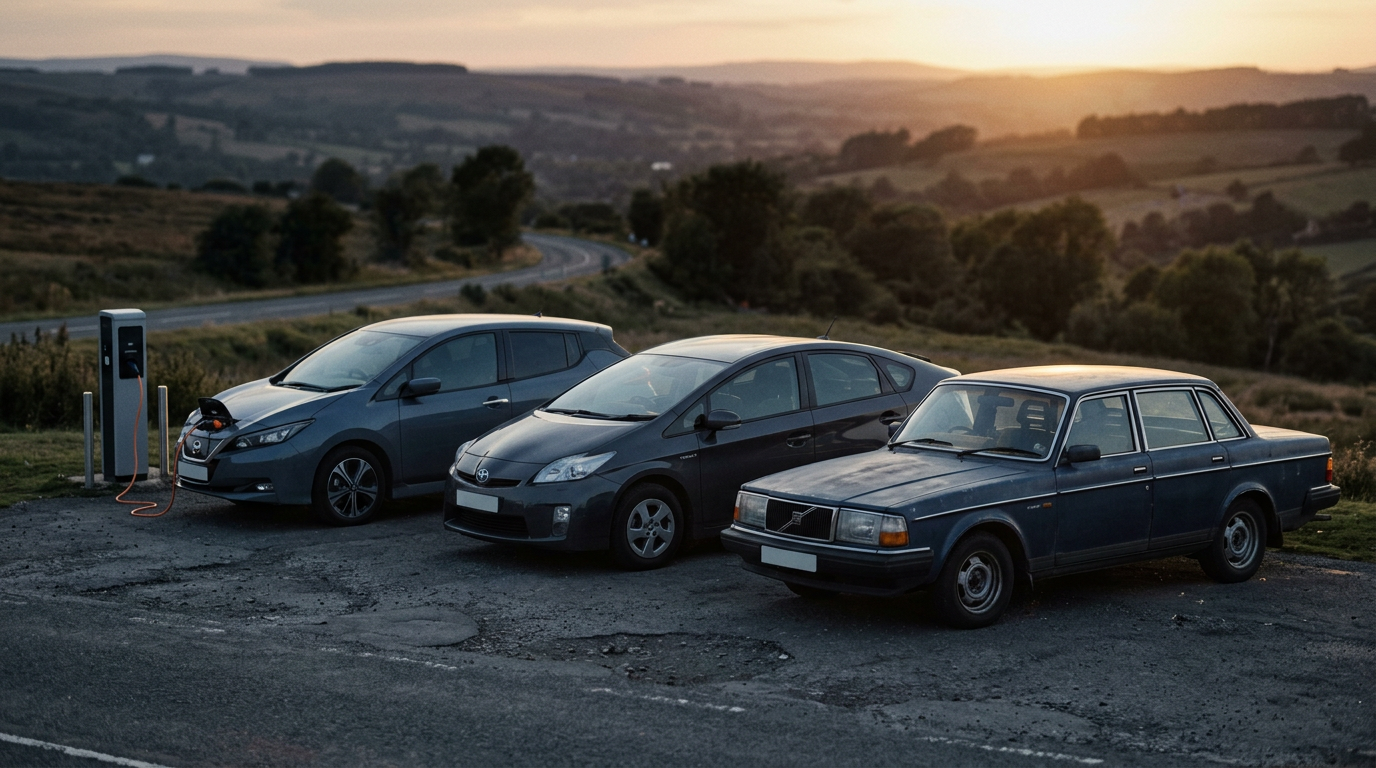
The automotive market currently offers several power options, including traditional internal combustion engines, hybrid systems, and battery-electric models. Each technology presents specific characteristics regarding fueling, maintenance, and long-term costs. Understanding how these systems operate and how they align with your daily needs is a central part of the modern car-buying process. This guide provides an overview of the primary differences between these powertrain options.
Considerations for Internal Combustion Engines
Vehicles equipped with internal combustion engines often have a lower initial purchase price and benefit from an established network of refueling stations. These vehicles may be a practical choice for those who frequently travel through areas where alternative fueling or charging infrastructure is less available. They also provide a familiar driving experience for many operators.\n\nHowever, these vehicles typically have higher operational costs related to fuel and mechanical upkeep. Because the engines contain many moving parts, there is a possibility for more frequent maintenance requirements over the life of the vehicle. Depending on future regulatory changes, traditional gas vehicles may also experience different rates of depreciation compared to electrified alternatives.
Hybrid and Plug-in Hybrid Comparisons
Hybrid vehicles use both a gasoline engine and an electric motor to improve efficiency. Standard hybrids charge their small batteries through regenerative braking and do not require being plugged into an external power source. This may be an efficient option for drivers who spend significant time in city traffic but prefer the convenience of traditional refueling.\n\nPlug-in hybrids feature a larger battery that can be charged externally, allowing for a certain amount of electric-only driving before the gasoline engine assists. This can reduce fuel consumption for daily commutes while maintaining the ability to drive long distances. A potential drawback is the complexity of maintaining two separate power systems, which could influence long-term service costs depending on the vehicle's age and usage.
Evaluating Full Electric Vehicles
Battery electric vehicles rely entirely on electric motors and onboard battery storage. These vehicles are often noted for quiet operation and responsive acceleration. Because they do not require oil changes or traditional transmissions, maintenance tasks are often less frequent, and the cost of electricity is often lower than the cost of liquid fuel on a per-mile basis.\n\nPotential challenges include the availability of charging stations and the time required to recharge. For most drivers, having access to a home charging setup is a significant factor in the convenience of the vehicle. Those who reside in multi-unit housing without dedicated charging access may find themselves relying more on public infrastructure, which can vary in availability.
Costs and Potential Financial Incentives
When evaluating these options, it is helpful to look at the total cost of ownership rather than just the purchase price. Electrified vehicles often have a higher upfront cost, which may be offset over time by lower fueling and maintenance expenses. Drivers can calculate how many years of operation it might take for fuel savings to balance the initial price difference.\n\nPotential tax credits and local incentives may also be available for certain electric and plug-in hybrid models, which can lower the total acquisition cost if the buyer qualifies. It is important to review current government guidelines and program requirements, as eligibility can change based on the vehicle's manufacturing details and the buyer's financial situation.
Usage Habits and Long-Term Ownership
Environmental conditions and driving patterns can impact the performance of any vehicle. For instance, battery efficiency in both hybrids and electric vehicles can be affected by extreme cold, potentially reducing driving range in winter. Conversely, internal combustion engines are generally less efficient in stop-and-go traffic compared to electric motors.\n\nLong-term ownership plans are also a factor, as batteries may experience gradual degradation over many years. While many systems are designed for long-term durability, the potential cost of future component replacement should be considered if you plan to keep the vehicle for a decade or more. For those who trade in vehicles more frequently, resale market demand for specific powertrains will be a more relevant consideration.
Disclaimer: This article is informational only and does not constitute financial, legal, or insurance advice. Eligibility, rates, and outcomes vary by lender, insurer, region, and individual circumstances. Always verify details with the program or institution directly before making decisions.